41 new australian food labels
Food industry hesitant about new Australian food labelling system Australian food industry representative body the Australian Food and Grocery Council (AFGC) has warned the Australian government that "serious flaws" remain and need to be resolved if an effective Front-of-Pack nutrition labelling system (FoPL) is to be implemented. However, the new system has been tentatively welcomed by Australia's confectionary industry. Food labelling | NSW Food Authority New requirements for labelling the most common allergens in food commenced on 25 February 2021. The changes to the Food Standards Code will help people find allergen information on food labels more quickly and easily, so they can make informed and safe food choices. For more information see Changes to allergen labelling .
Food Labelling | Foodstream To access these services, see "Standard Labelling Services" below (or call us on 07 3137 1433, or use the contact form on this page If a more complete service is required - such as to include brand/graphic design - we work with other professionals in this area - such as Renee Weaver of Evolve Brand Design. Standard Labelling Services:

New australian food labels
Ingredient lists and percentage labelling - Food Standards Percentage labelling Most packaged foods have to carry labels which show the percentage of the key or characterising ingredients or components in the food. This allows you to compare similar products. The characterising ingredient for strawberry yoghurt would be strawberries and the label would say, for example, 9% strawberries. Country of origin labelling - Food Standards The Australian Government introduced a country of origin food labelling system under Australian Consumer Law on 1 July 2016. Country of origin labelling requirements for food is in the Country of Origin Food Labelling Information Standard 2016, under the Competition and Consumer Act 2010. These requirements became mandatory on 1 July 2018. Labelling laws | NSW Food Authority * Food labels are legally required to show the name and Australian or New Zealand business address of the manufacturer or supplier (packer or vendor importer) plus the lot and batch number of the food (or date coding) to enable efficient food recalls. Food is recalled when it poses a possible public health and safety risk to consumers.
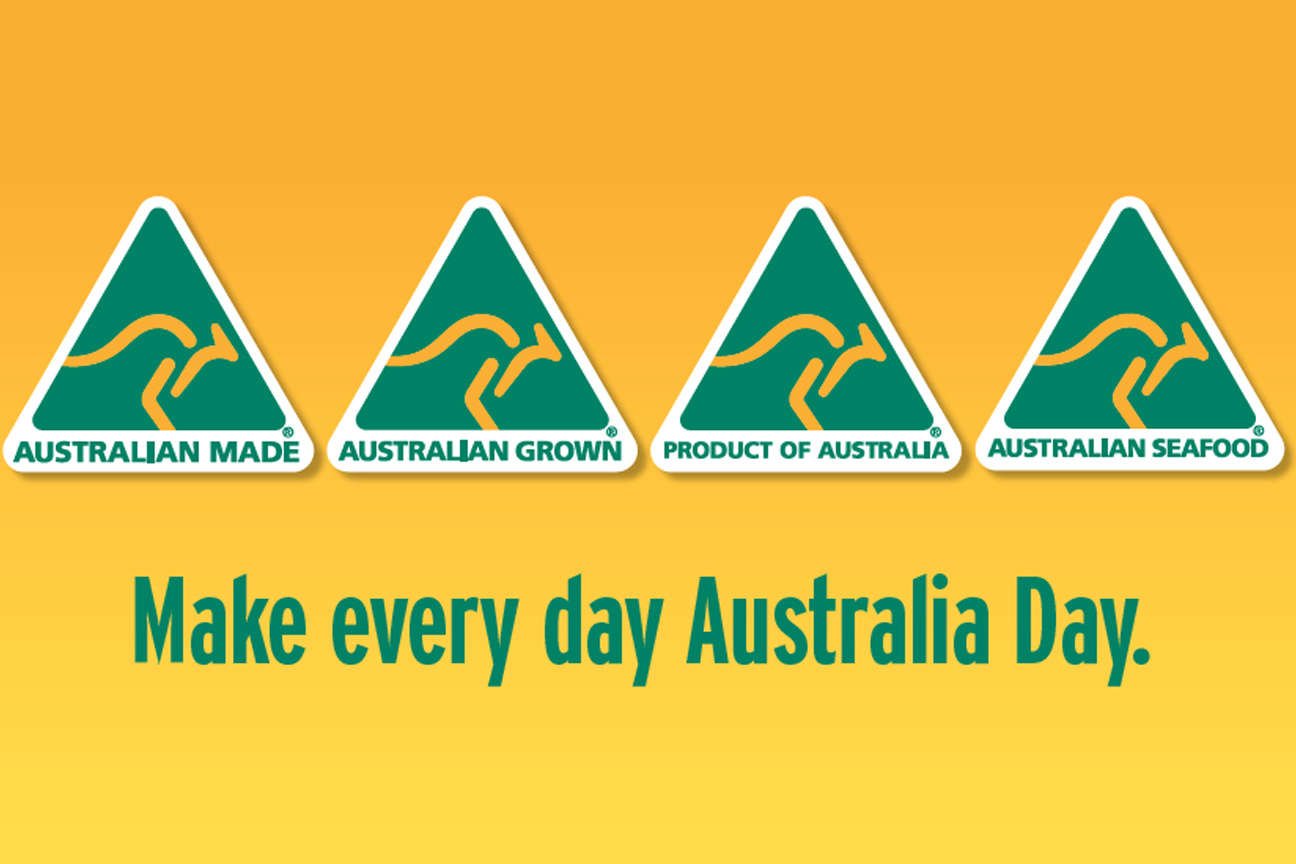
New australian food labels. New Australian Food Labels And How They Affect You There are five new labels in total. The following three are identified with a kangaroo symbol: GROWN IN AUSTRALIA - You're good to go with this option as this label means your food is 100% grown in Australia. PRODUCT OF AUSTRALIA - Think canned or bagged goods where the ingredients are 100% Australian and they've been processed here too. Allergen labelling - Food Standards peanuts tree nuts milk eggs sesame seeds fish shellfish soy lupin wheat. The Food Standards Code requires suppliers to declare these foods on labels whenever they are present as: ingredients components of food additives components of processing aids Food and beverage product news in Australia and beyond - Nine July 5, 2022: If you're looking for a healthier alternative to instant noodles, this is the news you've been waiting for. Health food brand Slendier has just launched Australia's "healthiest-ever" instant noodles. The new noodle range ticks all the boxes for things we love about instant noodles (full of flavour, quick and easy) but is lower on carbs, calories and sodium than other comparable ... Food Labelling & Allergen Guide - Australian Food and Grocery Council The Food Industry Guide to Allergen Management and Labelling offers guidance in managing allergens. It's relevant to those involved in the supply, handling, production, import and sale of foods. It was first development by the AFGC in 2007 but an updated edition was jointly published by the AFGC and Allergen Bureau in April 2021. New to the ...
Labelling - Food Standards Food labels also help to protect public health and safety by displaying information such as use by dates, ingredients, certain allergens, instructions for storage and preparation, and advisory and warning statements. FSANZ sets standards for what information must be on food labels. FSANZ has developed information on a range of labelling topics. Proposed new Australian food labelling laws released following ... Proposed new Australian food labelling laws released following Hepatitis A scare By Latika Bourke Updated June 9, 2015 — 10.44am first published at 10.31am How to read the new 'Australian Made' food labels New country of origin food labelling laws come into force in Australia today to clarify where our food comes from. The Australian Made, Australian Grown kangaroo logo will feature on most new labels, along with a bar chart showing what proportion of the ingredients are local. The new system is compulsory for all food produced for sale in Australia. Country of origin food labelling | business.gov.au Labelling requirements under the Information Standard will vary depending on whether the food: is a priority or non-priority food was grown, produced, made or packed in Australia is offered for sale loose or in a package. In Australia, the country of origin information must be accurate and factually correct.
Farmers hope new food labelling laws spur consumers to buy more ... The labels clearly spell out where food is from, and which foods are grown, produced or made in Australia. All priority foods must display new country-of-origin labels. These are staple foods ... Country of origin food labels | Department of Industry, Science and ... Australian food labels must easily convey where food is grown, produced, made or packed. This helps consumers make informed decisions about the food they buy. Requirements and tools for business If you sell food in retail stores in Australia, you will need to consider if your products need country of origin food labels. Australia - Labeling/Marking Requirements The joint Australia New Zealand Food Standards Code requires all packaged food to be labeled with nutritional information on how much fat, protein, energy, carbohydrates, and salt is in the product. Labels must also show the percentage of key ingredients and all the main ingredients that may cause allergies. Iconic Australian Food | 17 Australian Foods You Should Try 11. BBQ's. When you think of Australia you think of surfing, nice weather, kangaroo's and the barbecue. "Throw another shrimp on the barbie" is a quote often said even though Australians call them prawns and not shrimps! In fact, many Aussies dislike this phrase and claim that it's just another Australian stereotype.
Labelling - Food Standards The Food Standards Code includes the general labelling and information requirements (Chapter 1 of the Code) that are relevant to all foods, and sets out which requirements apply in different situations (for example food for retail sale, food for catering purposes, or an intra-company transfer).
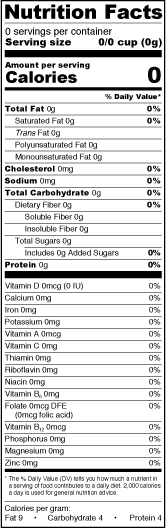
Food Nutrition Facts Label, Food Label Nutritional Analysis
New Australian Food Labels And How To Read Them There are five new labels in total. The following three are identified with a kangaroo symbol: GROWN IN AUSTRALIA - You're good to go with this option as this label means your food is 100% grown in Australia. PRODUCT OF AUSTRALIA - Think canned or bagged goods where the ingredients are 100% Australian and they've been processed here too.
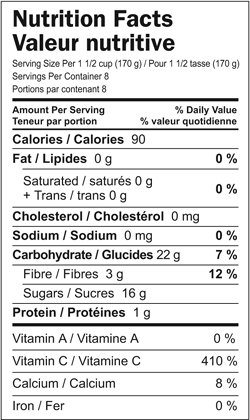
Food Nutrition Facts Label, Food Label Nutritional Analysis
New Australian food labels will list local food content but not foreign ... NEW food labels will reveal only the "Australian-ness" of groceries - meaning the consumers who bought contaminated berries earlier this year would not have known they were from China. The Abbott Government yesterday revealed that from next April 1 most groceries will have to include a label to explain the percentage of Australian ingredients.
/GettyImages-142738592-5c6c596b46e0fb0001d046b6.jpg)
Ground Beef Labels and Standards
Changes to allergen labelling | NSW Food Authority New requirements for labelling the most common allergens in food commenced on 25 February 2021. The changes to the Food Standards Code will help people find allergen information on food labels more quickly and easily, so they can make informed and safe food choices. The changes include:

Modern Architecture Reflective Layers
Food labelling - WA Health, Government of Western Australia Food labels provide a wide range of information to help consumers make food choices. Food Standards Australia New Zealand sets food labelling requirements in the Food Standards Code (external site) . These Labelling Standards are enforced by local government Environmental Health Officers. The Food Standards Code includes:
Make every day Australia Day - The Australian Made Campaign
Changes to food labelling laws - The Australian Made Campaign From July 1, 2016, the Australian Government incorporated the Australia Made Campaign Ltd's (AMCL) Australian Made, Australian Grown (AMAG) kangaroo logo into a new country of origin label, which, on July 1, 2018, became mandatory for most Australian food products sold in Australia.

healthy foundations: September 2012
Food labelling FAQs | ACCC The Country of Origin Food Labelling Information Standard (Standard) commenced on 1 July 2016. The Standard establishes a new system for the country of origin labelling of food products sold in Australia. Businesses have up to two years to transition to the labelling requirements set out in the Standard.
Recycling Sticker - Plastic - Wheelie Rubbish Signs
Food labelling - Health.vic Food labelling Key messages All packaged foods sold in Australia must comply with the labelling requirements of the Australia New Zealand Food Standards Code, which applies in Victoria through the Food Act 1984. Food labels must carry essential information, so that consumers are informed of the nature and properties of foods before they buy.
Post a Comment for "41 new australian food labels"