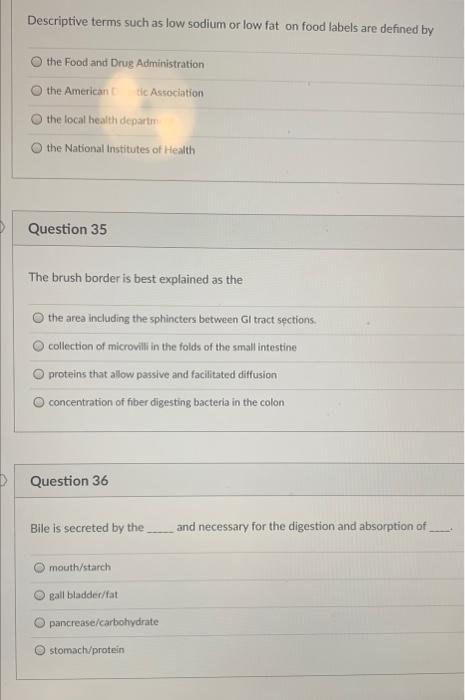
38 descriptive terms such as low sodium or low fat on food labels are defined by
Yogurt - Wikipedia Yogurt (plain yogurt from whole milk) is 81% water, 9% protein, 5% fat, and 4% carbohydrates, including 4% sugars (table).A 100-gram amount provides 406 kilojoules (97 kcal) of dietary energy. As a proportion of the Daily Value (DV), a serving of yogurt is a rich source of vitamin B 12 (31% DV) and riboflavin (23% DV), with moderate content of protein, phosphorus, and … Chapter 2 T.B. Flashcards | Quizlet Descriptive terms such as low-fat or heart healthy are: a) regulated by the Center for Disease Control ... legally be used on a food product when the product contains adequate levels of at least one selected nutrient and is low in: a) fat, saturated fat, sodium, and cholesterol b) fat, fiber and protein ... A DV of 5% or less on a food label ...
Consumer preference, behavior and perception about meat Nov 01, 2014 · The quantity and the quality of fat depend on several factors such as specie, sex, diet, age, muscle and genotype (Hopkins et al., 1997, Raes et al., 2004). Regarding species, consumers perceived pork to be less healthy and fattier compared with beef and poultry (Verbeke, Van Oeckel, Warnants, Viaene, & Boucqué, 1999).
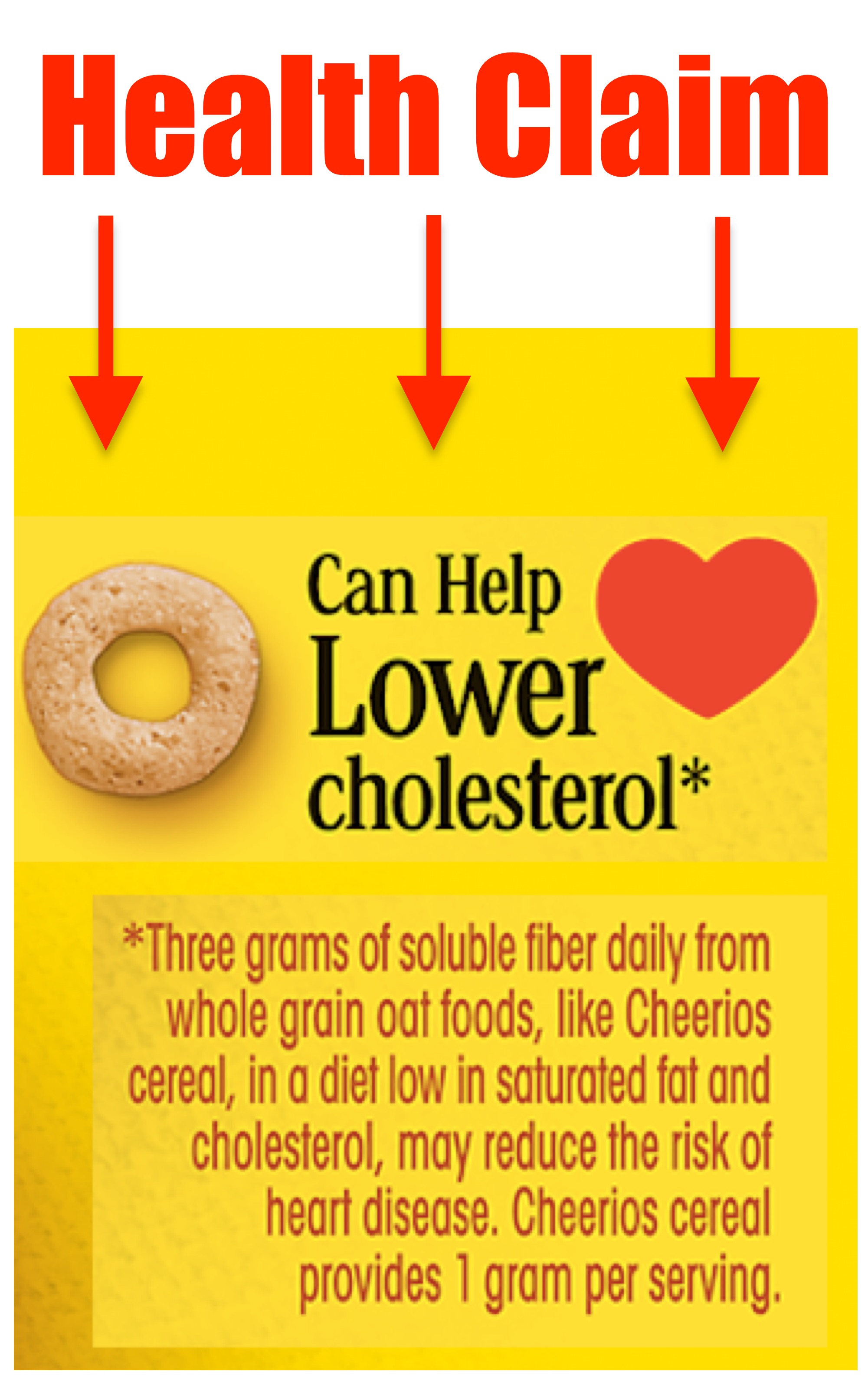
Descriptive terms such as low sodium or low fat on food labels are defined by
Sodium and Food Labels | Sutter Health 2 green onions: 4 mg sodium. 1 tablespoon low-sodium sweet pickle relish: 50 mg sodium. Total = 783 mg sodium. Per serving (2): 392 mg sodium. Add to your meal: 2 slices no-salt-added wheat bread: 20 mg sodium. 1 cup grapes: 3 mg sodium. 1 cup low-fat milk: 125 mg sodium. Total for one meal = 540 mg sodium. quizlet.com › 70161908 › chapter-2-tb-flash-cardsChapter 2 T.B. Flashcards | Quizlet Descriptive terms such as low-fat or heart healthy are: a) regulated by the Center for Disease Control b) permitted on a deli menu as long as the establishment provides documentation for the claim c) defined by each manufacturer or processor d) required on all frozen foods Aspartame - Wikipedia Aspartame is an artificial non-saccharide sweetener 200 times sweeter than sucrose and is commonly used as a sugar substitute in foods and beverages. It is a methyl ester of the aspartic acid/phenylalanine dipeptide with the trade names NutraSweet, Equal, and Canderel. First submitted for approval as a food ingredient in 1974, aspartame was approved by the US …
Descriptive terms such as low sodium or low fat on food labels are defined by. Low Sodium Nutrient Label - LabelCalc Low Sodium: A maximum of 140 mg of sodium per RACC is considered low sodium. If the RACC is very small (i.e. less than 50 grams), sodium levels should measure 140 mg or less per 50-gram serving. Low sodium isn't the only nutrient content claim that draws attention to altered sodium levels. Food Labels: How to Decode the 11 Trickiest Terms - Reader's Digest More. One step down in nutritional value from "good source" is "more," "fortified," "enriched," "added," "extra," or "plus.". A food with 10 percent of the RDV of a ... [Solved] Descriptive terms such as low sodium or low fat on food labels ... Descriptive terms such as low sodium or low fat on food labels are defined by O the National Institutes of Health the local health department O the Food and Drug Administration the American Dietetic Association Show more BiologyScienceNutrition Comments (0) Answer & Explanation Solved by verified expert Answer. The correct option is C. Nutrient Claims on Food Labels - Clemson University Low calorie means the meal or main dish contains 120 calories or less per 100 g. Low sodium meals and main dishes have 140 mg or less sodium per 100 g. Low cholesterol means the food contains 20 mg cholesterol or less per 100 g and no more than 2 g saturated fat. Light meals and main dishes are low-fat or low-calorie.
› current › title-21eCFR :: 21 CFR Part 101 -- Food Labeling (i) “Saturated fat,” or “Saturated”: A statement of the number of grams of saturated fat in a serving defined as the sum of all fatty acids containing no double bonds, except that label declaration of saturated fat content information is not required for products that contain less than 0.5 gram of total fat in a serving if no claims are ... en.wikipedia.org › wiki › YogurtYogurt - Wikipedia Yogurt (UK: / ˈ j ɒ ɡ ə t /; US: / ˈ j oʊ ɡ ər t /, from Turkish: yoğurt, also spelled yoghurt, yogourt or yoghourt) is a food produced by bacterial fermentation of milk. The bacteria used to make yogurt are known as yogurt cultures. 7 Day Low Fat Low Sodium Diet Plan - Diets Meal Plan Low Fat Low Sodium Diet Plan - The Recommended Amount of Fat and Sodium Intake The DRI (dietary reference intake) for fat in adults in the USA is between 20% and 35% of total calories from fat. That's about 45g to 80g of fat per day if you eat 2,000 calories. eCFR :: 21 CFR Part 201 -- Labeling The requirement for inclusion of the ZIP Code shall apply to consumer commodity labels developed or revised after July 1, 1969. ... The bar code must appear on the drug's label as defined by section 201(k) of the Federal Food, ... Any remainder shall be expressed in terms of common or decimal fractions of such unit or in terms of the next ...
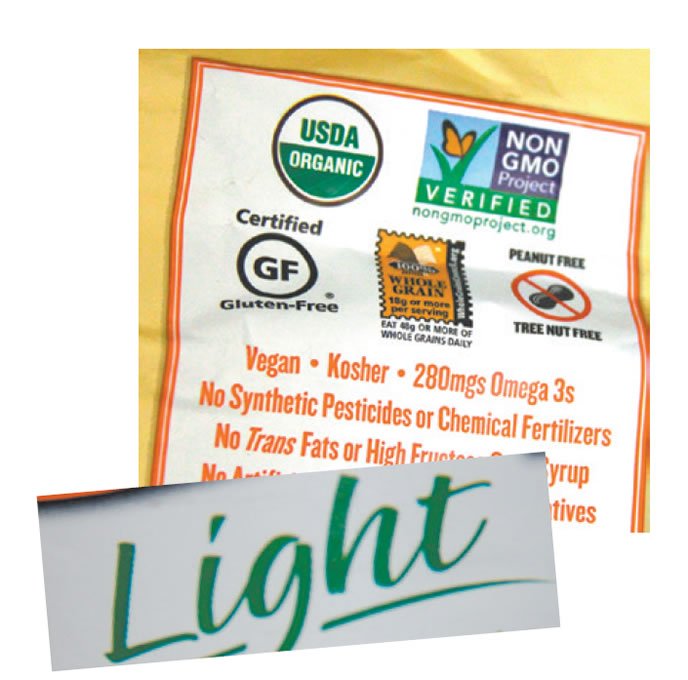
Solved Question 30 Descriptive terms such as low sodium or - Chegg Question: Question 30 Descriptive terms such as low sodium or low fat on food labels are defined by the National Institutes of Health O the American Dietetic Association the marketing department of food manufacturers O the Food and Drug Administration This problem has been solved! Food Labels (Lesson 15) - John M. Parker Agricultural Coliseum " Added Sugars " is a new feature on the revised Nutrition Facts label. Added sugars include all types of sugars, including syrups and granulated sugar that have been added during processing. " Total Sugars " include sugars that naturally occur in the food item (like fruit and milk) and sugars that have been added during processing. Test Bank - Lewis's Medical-Surgical Nursing 11e Harding - Studylib Free essays, homework help, flashcards, research papers, book reports, term papers, history, science, politics What the Labels Mean - Calorie Control Council Definitions for terms such as "light" and "low-fat" have been approved by FDA. The following is a summary of some of these definitions. The Meaning of "Light" FDA's final regulations provide a specific definition for "light" (or "lite"). "Light," without any additional clarification, may only describe a food which has ...
part 101 — FDA Reader — FDA Reader
› 3 › cb4474enTHE STATE OF FOOD SECURITY AND NUTRITION IN THE WORLD 2021 Drivers that are external (e.g. conflicts or climate shocks) and internal (e.g. low productivity and inefficient food supply chains) to food systems are pushing up the cost of nutritious foods which, combined with low incomes, are increasing the unaffordability of healthy diets. The percentage of the population who cannot afford a healthy diet ...
question 30 descriptive terms such as low sodium or low fat on food labels are defined by the national institutes of health the american dietetic association the marketing department of food 80845
Nutrtion Chapter 2 Flashcards | Quizlet Which claim on a food label is not allowed? a) Diets low in fat and rich in fruits and vegetables may reduce the risk of some types of cancer. b) Diets rich in vitamin C will reduce the incidence of colds and flu c) Adequate calcium intake throughout life helps maintain bone health and reduce the risk of osteoporosis.
FDLI Introduction to U.S. Food Law and Regulations Food ...
Understanding Food Terms - American Cancer Society Low-fat: 3 g (grams) or less per serving; Low-saturated fat: 1 g or less per serving, with not more than 15% of the calories coming from saturated fat; Low-sodium: 140 mg (milligrams) or less per serving; Very low sodium: 35 mg or less per serving; Low-cholesterol: 20 mg or less per serving; Low-calorie: 40 calories or less per serving; Lean ...
Food Labeling Guide
› lifestyleLifestyle | Daily Life | News | The Sydney Morning Herald The latest Lifestyle | Daily Life news, tips, opinion and advice from The Sydney Morning Herald covering life and relationships, beauty, fashion, health & wellbeing
FDA Food Packaging Claims Made Easy | Jenn David Design
Food Packaging Claims | American Heart Association You can use this general guidance: "Free" means a food has the least possible amount of the specified nutrient. "Very Low" and "Low" means the food has a little more than foods labeled "Free." "Reduced" or "Less" mean the food has 25% less of a specific nutrient than the regular product.
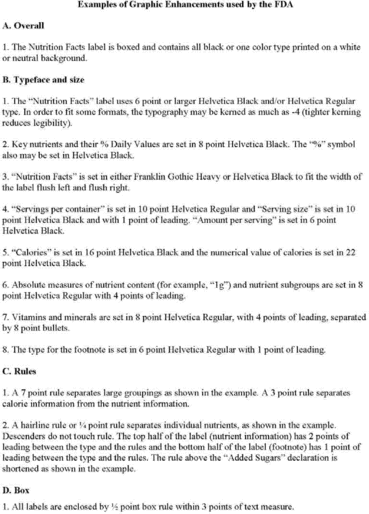
CFR - Code of Federal Regulations Title 21
SOLVED:Question 30 Descriptive terms such as low sodium or low fat on ... So we are asked descriptive terms such as low sodium or low fat on food labels are defined by So the Food and Drug Administration. That is your F. D. A. The food. Excellent. Okay. And broke administration. Yes. Sorry for that. And administration. Okay. Okay that is your F. D. A. Now this F. D.
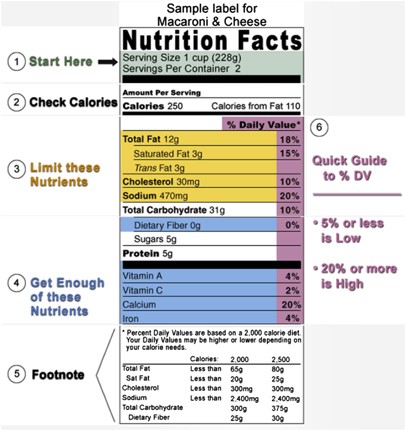
Improving the design of nutrition labels to promote healthier ...
Lifestyle | Daily Life | News | The Sydney Morning Herald The latest Lifestyle | Daily Life news, tips, opinion and advice from The Sydney Morning Herald covering life and relationships, beauty, fashion, health & wellbeing

Nutrition labels: Finding out about the food you eat
› food › food-labeling-nutritionLabel Claims for Conventional Foods and Dietary Supplements An accurate quantitative statement (e.g., 200 mg of sodium) that does not otherwise "characterize" the nutrient level may be used to describe the amount of a nutrient present. However, a statement...

Food Labels (Lesson 15)
eCFR :: 21 CFR Part 101 -- Food Labeling § 101.1 Principal display panel of package form food. The term principal display panel as it applies to food in package form and as used in this part, means the part of a label that is most likely to be displayed, presented, shown, or examined under customary conditions of display for retail sale. The principal display panel shall be large enough to accommodate all the …
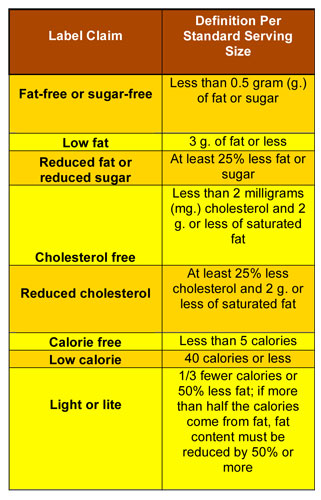
Lesson 1.06 Reading Food Labels
What Food Labels Mean—and Don't - Consumer Reports For example, a study in the Journal of the Academy of Nutrition and Dietetics found that shoppers gravitate toward labels such as "low sodium," " low fat ," and " reduced sugar ," but foods and...

Diet and Nutrition: Tips for Healthy Eating & a Balanced Diet
How to understand Nutrition food labels (EU/UK) - Gemma Sampson Total Fat. Fat free - no more than 0.5g per 100g per 100ml. Low fat - less than 3g fat per 100g (solids) OR <1.5g fat per 100ml (liquids) High fat - more than 17.5g fat per 100g. Saturated Fat. Saturated fat free - less than 0.1g per 100g/100ml. Low saturated fat - less than 1.5g per 100g (solids) OR <0.75g per 100ml (liquids)
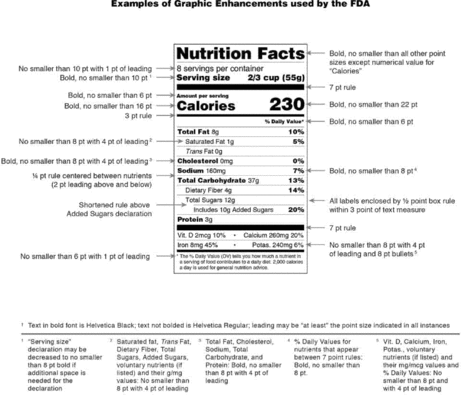
CFR - Code of Federal Regulations Title 21
Label Claims for Conventional Foods and Dietary Supplements Mar 07, 2022 · However, a statement such as "only 200 mg of sodium" characterizes the level of sodium by implying that it is low. Therefore, the food would have to meet the nutritional criteria for a “low ...

Consumer insights on prepackaged Cheddar cheese shreds using ...
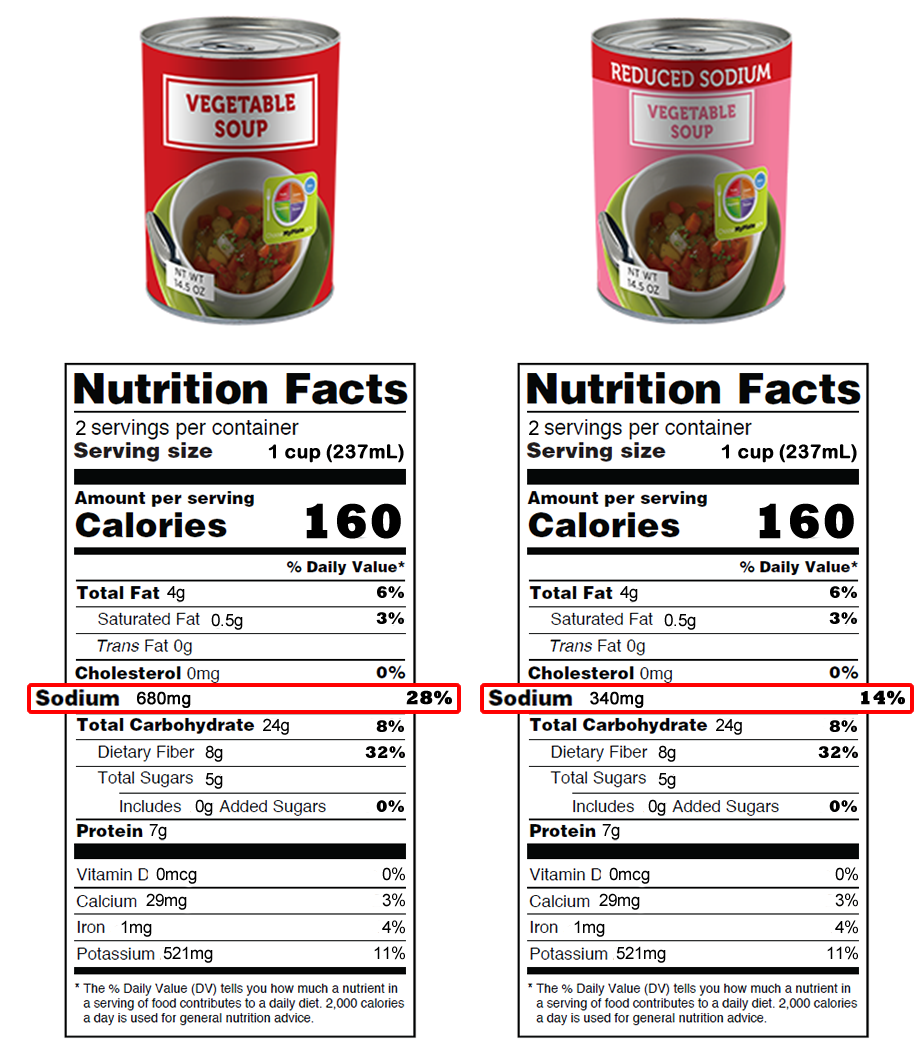
What Do Those Food-Label Terms Really Mean? - Tufts University - Sodium — "Sodium free" or "salt free" don't exactly mean zero sodium; those terms mean less than 5 milligrams of sodium per serving. "Lower" means 140 milligrams or less of sodium per serving. There's also a rule for "very low sodium": 35 milligrams or less per serving. "Reduced" sodium means 25% less than regular such foods.
Labeling, Food- FTC Staff Comment Before the Food and Drug ...
THE STATE OF FOOD SECURITY AND NUTRITION IN THE WORLD … LIFDCs Low-income food-deficit countries. LMICs Low- and middle-income countries. ... of the effects of other drivers or factors on people’s income and on the cost of nutritious foods throughout the food system. As such, it is a driver that acts within food systems to negatively affect food security and nutrition. ... with a shift in fat ...
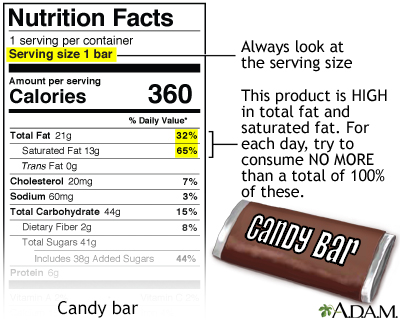
HIE Multimedia - How to read food labels
en.wikipedia.org › wiki › AspartameAspartame - Wikipedia Aspartame is an artificial non-saccharide sweetener 200 times sweeter than sucrose and is commonly used as a sugar substitute in foods and beverages. It is a methyl ester of the aspartic acid/phenylalanine dipeptide with the trade names NutraSweet, Equal, and Canderel.

Food Label Claims: Fact or Fiction? | The Hungry Dinosaur ...
Aspartame - Wikipedia Aspartame is an artificial non-saccharide sweetener 200 times sweeter than sucrose and is commonly used as a sugar substitute in foods and beverages. It is a methyl ester of the aspartic acid/phenylalanine dipeptide with the trade names NutraSweet, Equal, and Canderel. First submitted for approval as a food ingredient in 1974, aspartame was approved by the US …

Federal Register :: Food Labeling: Revision of the Nutrition ...
quizlet.com › 70161908 › chapter-2-tb-flash-cardsChapter 2 T.B. Flashcards | Quizlet Descriptive terms such as low-fat or heart healthy are: a) regulated by the Center for Disease Control b) permitted on a deli menu as long as the establishment provides documentation for the claim c) defined by each manufacturer or processor d) required on all frozen foods

Effect of front-of-package labels on consumer product ...
Sodium and Food Labels | Sutter Health 2 green onions: 4 mg sodium. 1 tablespoon low-sodium sweet pickle relish: 50 mg sodium. Total = 783 mg sodium. Per serving (2): 392 mg sodium. Add to your meal: 2 slices no-salt-added wheat bread: 20 mg sodium. 1 cup grapes: 3 mg sodium. 1 cup low-fat milk: 125 mg sodium. Total for one meal = 540 mg sodium.

eCFR :: 21 CFR Part 101 -- Food Labeling
Understanding Food Labels – Nutrition: Science and Everyday ...
S:\CFSANWEBTEAM\Ticket Related\814 - PDF of FLG\Introduction ...
Influence of Food Labels on Adolescent Diet
Food Labeling Guide
Food Labeling 21 CFR Part 101

Keys To Mastering The Low Sodium Life - Reading Nutrition ...
Food Product Labeling Basics
Understanding the "Nutrition Facts" Label - Page 3
Understanding Food Labels in Canada - Unlock Food

eCFR :: 21 CFR 101.9 -- Nutrition labeling of food.
What Do Those Food-Label Terms Really Mean? - Tufts Health ...
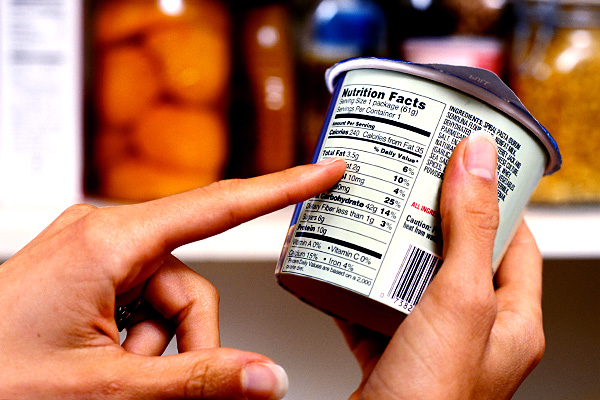
Food labels part 2: Truth, accuracy, usefulness of label claims.
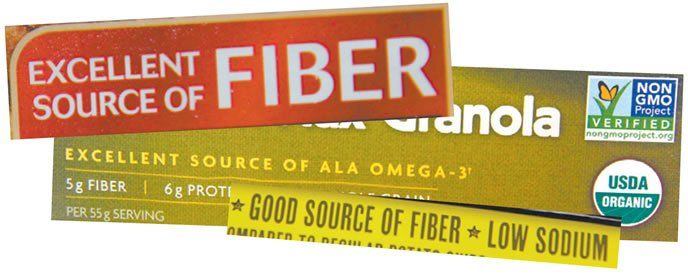
What Do Those Food-Label Terms Really Mean? - Tufts Health ...
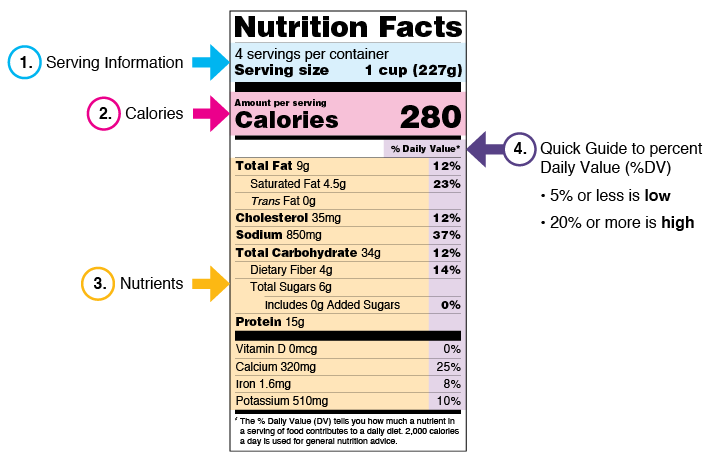
How to Understand and Use the Nutrition Facts Label | FDA
EC93-2309-B Nutritional and Ingredient Labeling Summary FDA ...
Nutrition Claims for Dairy Products
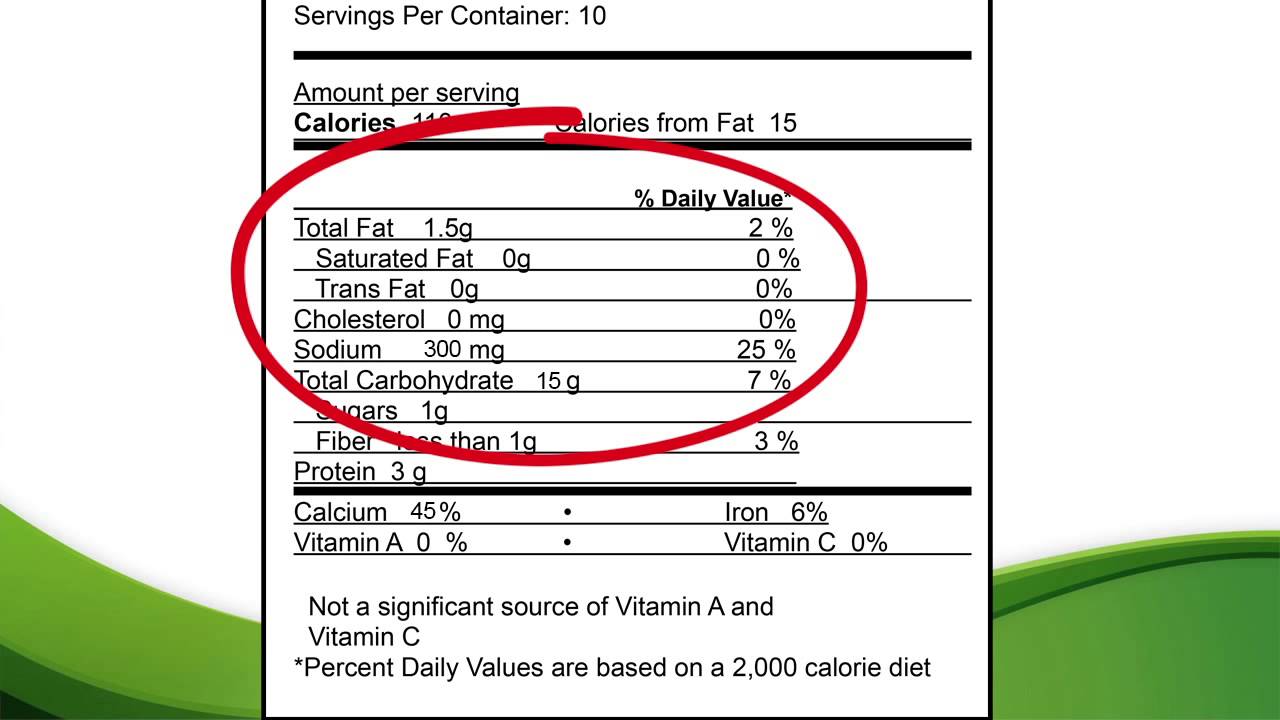
When it comes to reading food labels, what's most important ...
Solved The method/s NOT used in assessing individual | Chegg.com

Be Warned: A Proposal to Reform Food Product Disclosure ...
Post a Comment for "38 descriptive terms such as low sodium or low fat on food labels are defined by"