40 reading food labels sugar
This Is How to Read a Nutrition Facts Label on the Keto Diet That's not a 33% fat, 33% carb, 33% protein ratio. It's actually 52% fat, 24% carb, 24% protein. This may sound a little confusing, but as long as you limit carbs (the most important part) and aim for healthy fats and protein to make up a majority of your daily macronutrient intake, your results should be excellent. How To Read Food and Beverage Labels - National Institute on Aging Although frozen and canned fruits and vegetables have food labels, fresh varieties often do not. You can find nutrition information for fresh vegetables and fruits on the USDA website. Or you can call the U.S. Department of Agriculture's Food and Nutrition Information Center at 301-504-5414. Understanding percent Daily Value (% DV)
Sugars on food labels - Sugar Nutrition Resource Centre The sugars in the ingredients list are only those which have been added to the product. The sugars in the nutrition information panel refers to total sugars - this includes sugars added as an ingredient but also those which are naturally present in the food. FURTHER READING. FSANZ Food Labels - what do they mean. Acessed 29.07.2020

Reading food labels sugar
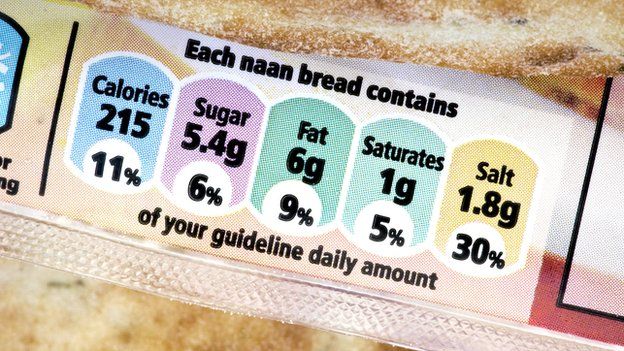
Food Label Reading 101 - Food Label Reading 101 - mirandacasiano.com No one food you eat should have more than 10 percent of your RDV (recommended daily value). So, if it has more than 40g in one serving, it is best to steer clear of this food, unless there is a special occasion you are celebrating. Two additional things you should keep in mind, especially related to carbohydrates, when reading a food label. Decoding Diabetes: How to Read Nutrition Labels | Accu-Chek The calories in the foods you eat are made up of fat, protein, and carbohydrates. Nutrition labels are typically made based on the assumption that you have a daily diet of 2,000 calories (kilocalories). Some labels will have a footnote that expand on this concept, providing numbers for both 2,000 and 2,500-calorie (kilocalorie) diets. Nutrients. Food labels - NHS Some front-of-pack nutrition labels use red, amber and green colour coding. Colour-coded nutritional information tells you at a glance if the food has high, medium or low amounts of fat, saturated fat, sugars and salt: red means high amber means medium green means low In short, the more green on the label, the healthier the choice.
Reading food labels sugar. Understanding food labels | Diabetes UK The labels show how many calories are in the food or drink and are also colour coded to show whether the food is low (green), medium (amber) or high (red) in fat, saturated fat, sugar and salt. The information on the front of the pack also tells you how the portion of the food contributes to the Reference Intake (RI) of an adult. How to Read Food Labels Without Being Tricked - Healthline Other added sugars: barley malt, molasses, cane juice crystals, lactose, corn sweetener, crystalline fructose, dextran, malt powder, ethyl maltol, fructose, fruit juice concentrate, galactose,... How To Read Food Labels - 10 Tips | Pritikin Program For Eating Right These 10 tips for how to read food labels are all about helping you shed excess weight, take good care of your heart, and live well. For Questions & Reservations Call us at (888) 254-1462. ... they contained more sugar, for example, than their labels stated. And recently, consumer laboratories evaluated 30 low-carb nutrition bars and found that ... Understanding sugar content on food labels - Diabetes Care Community Understanding sugar content on food labels is important, to ensure that you're consuming healthy amounts. Reading the ingredient lists and nutrition facts tables on packaged foods is a helpful way for you to check what kind, and how much, sugar a product has. Finding sugar content in the ingredients list
Making Sense of Food Labels | ADA - American Diabetes Association One of the three types of carbohydrates in food is sugar. As of January 2021, labels must include added sugar to help you know the difference between sugar that occurs naturally in the food (like yogurt or fruit) and sugar that was added during processing (like in cookies, candy and soda). Many labels have already made the change. How to Read a Food Label to Make Sure It's Keto in 3 Easy Steps Step 1. Read the Ingredient List. Food manufacturers are required by the FDA to list ingredients in order of predominance by weight. The ingredient that weighs the most is listed first, and the ingredient that weighs the least is listed last. So stay away from foods where sugar or starch is listed as one of its first 5 ingredients. That's too ... Reading food labels: Tips if you have diabetes - Mayo Clinic A sugar-free label means that one serving has less than 0.5 grams of sugar. When you're choosing between standard products and their sugar-free counterparts, compare the food labels. If the sugar-free product has noticeably fewer carbohydrates, the sugar-free product might be the better choice. 5 ways to spot added sugars on food labels - Tryon Medical Partners When reading the food labels, remember four grams of sugar is equal to one teaspoon. The American Heart Association recommends women consume no more than six teaspoons and men no more than nine teaspoons of sugar per day. 5. Read the label top to bottom Items on food labels are listed in order from largest to smallest quantity.
Food Labels | CDC - Centers for Disease Control and Prevention If you eat the whole thing, you are eating 8 times the amount of calories, carbs, fat, etc., shown on the label. Total Carbohydrate shows you types of carbs in the food, including sugar and fiber. Choose foods with more fiber, vitamins, and minerals. Choose foods with lower calories, saturated fat, sodium, and added sugars. Avoid trans fat. How to read labels for added sugar - That Sugar Movement Three: Remember that 4g = 1 teaspoon of sugar Technically, 4.2g = 1 teaspoon of sugar, but for the easy on-the-spot calculation, just remember 4g equals one teaspoon. For example, a 375ml can of Coca-Cola is about 40g of sugar. Dividing that by 4 means there are 10 teaspoons of added sugar in the one can. How to Read Nutrition Labels for Sugar - hekagoodfoods The number of grams of sugar. Keep in mind, one gram of sugar is roughly equivalent to 1/4 teaspoon of sugar. A percentage indicating how much of your recommended daily intake the item contains. While this is helpful to reference, the FDA recommends natural and added sugars account for no more than 10% of your daily caloric intake. LABEL READING: CARBOHYDRATES AND SUGARS - Renaissance Nutrition Center ... At this point, you cannot tell how much sugar the manufacturer has added; when the food labels change in 2018, there will be a line named "added sugars." One teaspoon of sugar or sugar equivalent is 4 grams of sugar, 16 calories. Products we call sugars are often included in Total Carbohydrates, but not in the Sugars listings.

New food labels to group sugars in ingredients list, aid comparison shopping | CTV News
Understanding Food Nutrition Labels | American Heart Association Remember that the information shown in the label is based on a diet of 2,000 calories a day. You may need less or more than 2,000 calories depending upon your age, gender, activity level, and whether you're trying to lose, gain or maintain your weight. When the Nutrition Facts label says a food contains "0 g" of trans fat, but includes ...

How to Read a Nutrition Facts Label - RunEatSnap
How to Understand and Use the Nutrition Facts Label | FDA Single-Ingredient Sugar labels Packages and containers of products such as pure honey, pure maple syrup, or packages of pure sugar are not required to include a declaration of the number of grams...

Knit Jones: More Home Reno...
Learning To Read Labels :: Diabetes Education Online When you read food labels, the grams of sugar are already included in the total carbohydrate amount, so you do not need to count this sugar amount separately. The grams of sugar listed include both natural sugars, from fruit or milk, and added sugars. On a nutrition food label, the total carbohydrate includes the sugar.
Center for Philosophy of Science ::: last donut?
How To Read Food labels for Sugar | My Sugar Free Kitchen On the label check the sugars in the nutrition panel. 5g/ml or less of sugar per 100g/ml = this would count as low sugar content. It means 5% of the ingredients are sugar Between 5g/ml and 20g/ml of sugar per 100 grams = medium sugar content. With 20ml of sugar per 100 ml, this means the product is 20% sugar…not so good.
How to Stop a Sugar Addiction | POPSUGAR Fitness
Reading Food Labels | ADA - American Diabetes Association The Nutrition Facts labels on foods are really the key to making the best choices. We'll cover the basics so that these labels make shopping easier for you. Get started Understanding Carbs You've heard it all. From carb-free to low-carb, to whole and empty carbs, it's hard to know what it all means. Learn more Food & Blood Sugar

The 61 names of sugar – Read the food labels for hidden sugar (With images) | Hidden sugar ...
Added Sugars on the New Nutrition Facts Label | FDA Let the Nutrition Facts Label Be Your Guide The new Nutrition Facts label can help you compare and choose foods that are lower in added sugars. Check the label to see if foods are LOW or HIGH in...

A.Word.A.Day --saccharine
Sneaky Sugars: How to read food labels - Natvia The tricky part comes when you realise that this counts ALL sugars - added sugars as well as those that naturally occur in food, such as fruit. This means that a product that claims to be 'no added sugars' can still be high in its overall sugar content. Sneaky! Dietary fibre: You won't see this on all food labels. It only needs to be ...

11 Ways You Never Realized You’re Reading Food Labels Wrong
PDF How to Read the Food Label - University of California, Santa Cruz Sugar is listed separately and is included in the . total grams of carbs. It includes both naturally occurring sugar (like in fruit) and added sugar in syrups and processed food and drinks. Limit added sugars. Protein. Protein is in both plant and animal foods, such as beans, nuts, fish, poultry, meat, eggs, and dairy products.
The most important thing to know when reading food labels
Helping Kids Learn About Food Labels | Sanford Fit Help kids understand that reading a nutrition label is a lot like reading signs in everyday life. ... "Added sugar" is any sugar that was added to the food at some point. Adding sugar to food does not make it more nutritious. Snacks and drinks without added sugars give you a bonus! They are full of other nutrients like fiber, protein ...

Sugar industry lies: Why fat is not the enemy
Food labels - NHS Some front-of-pack nutrition labels use red, amber and green colour coding. Colour-coded nutritional information tells you at a glance if the food has high, medium or low amounts of fat, saturated fat, sugars and salt: red means high amber means medium green means low In short, the more green on the label, the healthier the choice.
Q&A: How much sugar should we eat? - BBC News
Decoding Diabetes: How to Read Nutrition Labels | Accu-Chek The calories in the foods you eat are made up of fat, protein, and carbohydrates. Nutrition labels are typically made based on the assumption that you have a daily diet of 2,000 calories (kilocalories). Some labels will have a footnote that expand on this concept, providing numbers for both 2,000 and 2,500-calorie (kilocalorie) diets. Nutrients.

14 Bizarre Ingredients Hidden in Your Food Labels | Daily Infographic
Food Label Reading 101 - Food Label Reading 101 - mirandacasiano.com No one food you eat should have more than 10 percent of your RDV (recommended daily value). So, if it has more than 40g in one serving, it is best to steer clear of this food, unless there is a special occasion you are celebrating. Two additional things you should keep in mind, especially related to carbohydrates, when reading a food label.
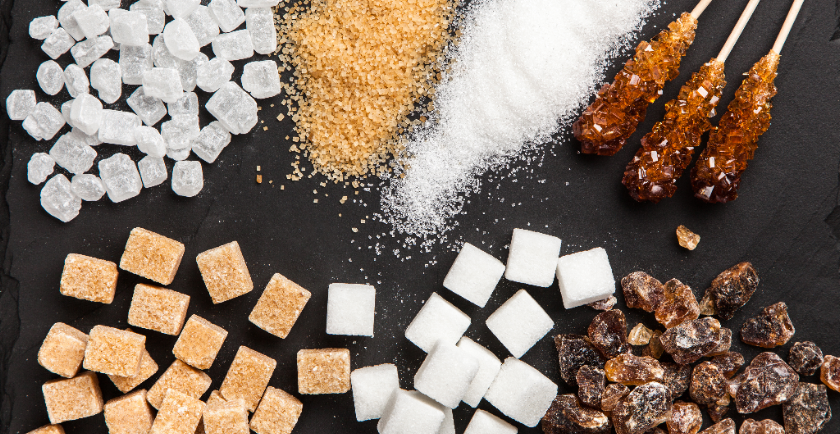
How to Read Labels for Added Sugar | Naturally Savvy

How to Read Nutrition Labels: 11 Mistakes You Can Make | The Healthy
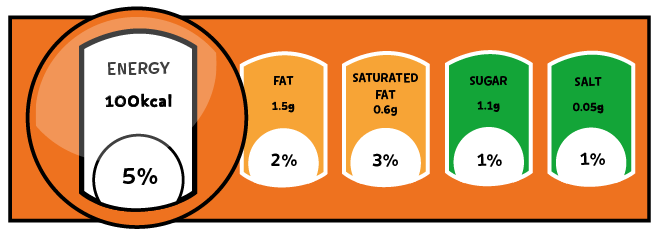
Food Labels | Nutrition Labels | Change4Life
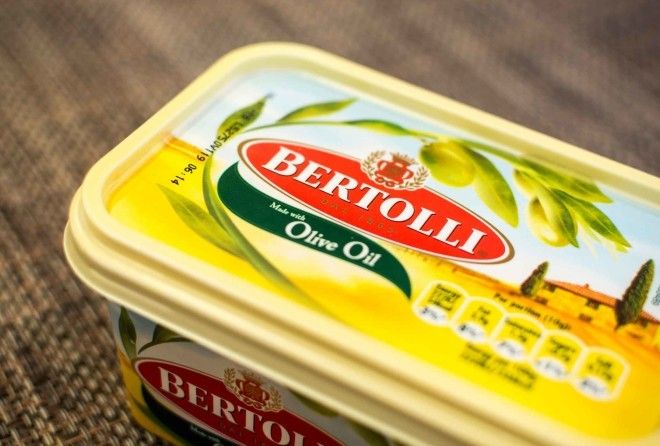
11 Ways You Never Realized You’re Reading Food Labels Wrong
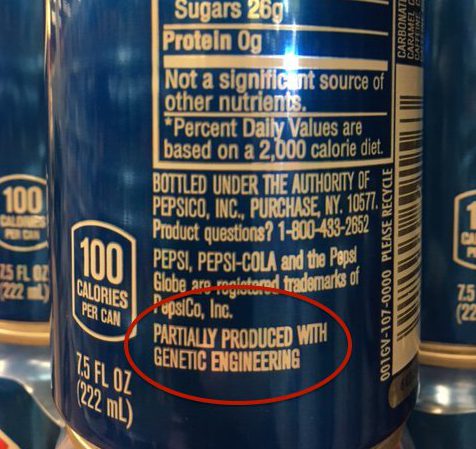
Pepsi, Frito-Lay Quietly Adding GMO Ingredient Labels To Some Foods – Consumerist
Post a Comment for "40 reading food labels sugar"