43 reading and understanding food labels
Understanding Pet Food Labels - How To Read And What ... The food label is the best tool to use when you have to make a choice, but can often be hard to understand. Here is how to read a dog food label. Dog Food Label Format. When something is widely used there has to be some standards. Standards usually mean that certain procedures and steps are followed in order to deliver the same quality for ... Food Labels | CDC If you eat the whole thing, you are eating 8 times the amount of calories, carbs, fat, etc., shown on the label. Total Carbohydrate shows you types of carbs in the food, including sugar and fiber. Choose foods with more fiber, vitamins, and minerals. Choose foods with lower calories, saturated fat, sodium, and added sugars. Avoid trans fat.
Understanding food labels - Canada.ca Understanding food labels. Food labels, nutrition facts tables, serving size, ingredients, % daily value, nutrition claims. Services and information. Nutrition facts tables. How to use, what is in them, foods that don't have a nutrition facts table. Serving size.

Reading and understanding food labels
PDF How to Read the Food Label Look for low- sodium foods with less than 140 mg per serving. Track the total amount you eat. Fiber. Aim for 25 to 38 grams of fiber per day. Sugars: Limit added sugars. Some vitamins and minerals may be listed with DV in one serving. Percent Daily Values (DV) tell you how much you should be eating based on a 2,000 or 2,500 calorie diet. PDF A Guide to Reading Food Labels - University of Rochester Understanding the Percent Daily Values (% DV) on a food label can help you choose foods high in good nutrients and low in bad nutrients. The % DV is based on a 2,000-calorie diet. If you eat less than 2,000 calories a day, your daily value may be lower than what is listed on the label. If you eat more than 2,000 calories a day, your daily value The importance of reading and understanding food labels The Basics of the Food Label Labels are designed so that consumers are provided with useful information about the product and how this would fit into their daily diets. This is how one could read these labels 1. Look at the list of ingredients The list provides an overview of the product's "recipe" or constituents.
Reading and understanding food labels. Understanding Food Labels - Nutrition: Science and ... By law, food manufacturers must also list major allergens, which include milk, egg, fish, crustacean shellfish, tree nuts, wheat, peanuts, and soybeans. 2 Allergens may be listed in a separate statement, as on the corn muffin mix label, which lists "Contains: Wheat" on the label. Alternatively, allergens can be listed in parentheses within the ingredient list, such as "lecithin (soy)." Understanding food labels - Diabetes UK The labels show how many calories are in the food or drink and are also colour coded to show whether the food is low (green), medium (amber) or high (red) in fat, saturated fat, sugar and salt. The information on the front of the pack also tells you how the portion of the food contributes to the Reference Intake (RI) of an adult. Understanding and Reading Food Labelling Lesson Plan Ppt This wonderful PowerPoint helps explain the basics of food labelling in the UK. It encourages children to think about why the information on food labels is important and how people can use it to make healthy choices! This great understanding and reading food labels lesson plan PowerPoint is perfect for your lessons on Healthy Eating. It's so important to teach children about Health and Wellbeing, and using resources like this food labelling powerpoint is a great way to introduce them to the ... Understanding Food Labels | The Nutrition Source | Harvard ... Understanding Food Labels. The information on food labels is intended to help consumers become savvy about their food choices. The front, back, and sides of a package are filled with information to inform us what the food contains and to provide guidance in making healthier selections of processed foods. However, all the numbers, percentages ...
How To Read Food and Beverage Labels | National Institute ... The % DV information is not calculated with the unique needs of older adults in mind. Read the nutrition label as a whole to determine how a particular food or drink fits into your healthy eating pattern. Is lower % DV always healthier? If a food has 5% DV or less of a nutrient per serving, it is considered low in that nutrient. If it has 20% DV or more of a nutrient per serving, it is considered high in that nutrient. Labels Unwrapped - Learn How to Read Food Labels Under the law, a food label is more than just the food packaging attached to a product. Learn how labels are regulated and the roles of the FDA and USDA. Food Labels Basics Explore Food Labels and Food Groups From "organic" to "grass fed" to various health claims, we break down the common terms you'll find when reading food labels. All Protein Reading And Understanding Health Claims & Food Labels Reading And Understanding Food Labels. August 14, 2002 by Di Bauer Leave a Comment. What's On The Label Everybody is familiar with word search games where you must find words hidden in vast columns of primarily random letters. The words can be written vertically, horizontally, or diagonally. In addition, the words can be written left to right ... Understanding food labels 101 | Heart & Stroke Foundation ... To understand the food label of a product and be able to distinguish between unhealthy and healthier options is one of the best ways to make sure that you and your family are buying and enjoying healthy food and drinks. Making a habit of always reading food labels and understanding what they mean will soon … Continue reading "Understanding food labels 101"
Reading and Understanding Food Labels - 2gurly4u blog ... If you read Organic vs. Natural, you would have read that when it comes to processed foods, if it says it's natural, it's hoopla. Ignore these products, the labels mean nothing. I also discuss how if a products says it's 'organic', it may not necessarily be 100% organic; processed foods can be labeled organic if only 80% of the ... Reading Food Labels | ADA - American Diabetes Association Reading Food Labels | ADA Understanding Food Labels It's time to decode those food claims. Trying to figure out nutritional information on labels and packaging isn't easy. The good news is that we can help. Untangle packaging claims. If you get tripped up on food content claims, you're not alone. Fat free vs. low fat vs. reduced fat. 42 reading food labels quiz - icellularphonesyo.blogspot.com It is always at the end of a food label. It is different for different food. alternatives. Food Labels: Quiz & Worksheet for Kids | Study.com The quiz and worksheet help you see what you know about food labels and how to read them. Information on food labels and why it's important to verify a product's serving size are topics you'll see ... PDF Healthy Eating Workshop Reading and understanding food labels Reading and understanding food labels Workshop outline (60 minutes) 1. Welcome (5 minutes) 2. Whole versus processed foods ( 10 minutes) 3. Packaged Foods - how do you choose? (30 minutes) 4. Let's Practice (10 minutes) 5. Closing (5 minutes) Suggested handout: How to Read a Nutrition Facts label (see Page 2 of the above linked handout)
5 Tips for reading food labels - YouTube
PDF Reading and Understanding Food Labels - Tulsa Play Reading and Understanding Food Labels Grade: 3-5 Time: 15-25 minutes Objectives: • Students will know how to read a food label • Students will identify different nutrients on the Nutrition Facts Food label Materials: • Laminated food wrappers with the Nutrition Facts Label
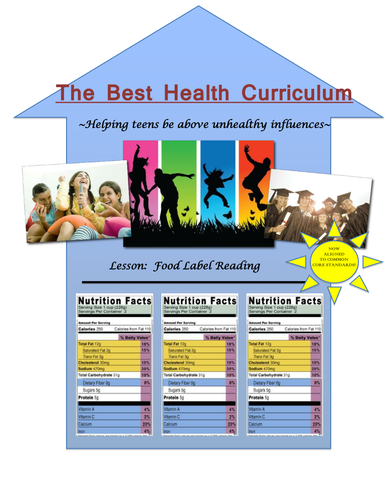
Food Label Reading: Is This Product Healthy? | Teaching Resources
Understanding Food Nutrition Labels | American Heart ... Learn what to look for on the label. 1 - Start with the serving information at the top. This will tell you the size of a single serving and the total number of servings per container (package). 2 - Next, check total calories per serving and container.
6 THINGS TO CONSIDER WHEN READING FOOD LABELS – The Nourished Group
How to Understand and Use the Nutrition Facts Label | FDA You can use the label to support your personal dietary needs - look for foods that contain more of the nutrients you want to get more of and less of the nutrients you may want to limit. Nutrients...
How-To Guide for Reading Food Labels
Reading and understanding food labels - Cancer Council ... Reading and understanding food labels. While we know that fresh fruit, vegetables, wholegrains, nuts and seeds, legumes and lean meat are the best choices, at times we all rely on processed and packaged foods.
Useful Tips While Reading Labels of Food Products
Understanding food labels fact sheet - NDSS Food labels will typically include a nutrition information panel, list of ingredients, the 'use by' or 'best before' date and identify potential food allergens and additives. Food labels also tell you the amount of carbohydrates (carbs) you eat and drink. This can help you manage your blood glucose levels.

Functional Reading: Food Labels by Kimberly Sanzo SLP | TpT
The Importance of Reading the Food Label and Nutritional Facts Luckily, reading a nutrition label isn't really that difficult. Sure, you can get pretty in-depth and precise with it, but a quick glance over it can give you plenty enough information to make healthy choices.. So here's a rough breakdown of all the key parts of every food label, and the areas where you should consider paying particular attention.

They Should Teach Kids How to Read Nutrition Labels | KeepWell Foods
Understanding Food Labels in Canada - Unlock Food Step 3: Look at the percent daily value (% DV) The percent daily value (% DV) shows you if a food has a little or a lot of a nutrient. 5% DV or less is a little of a nutrient. 15% DV or more is a lot of a nutrient. The % DV is meant to act as a benchmark to determine if that food is high or low in a certain nutrient.
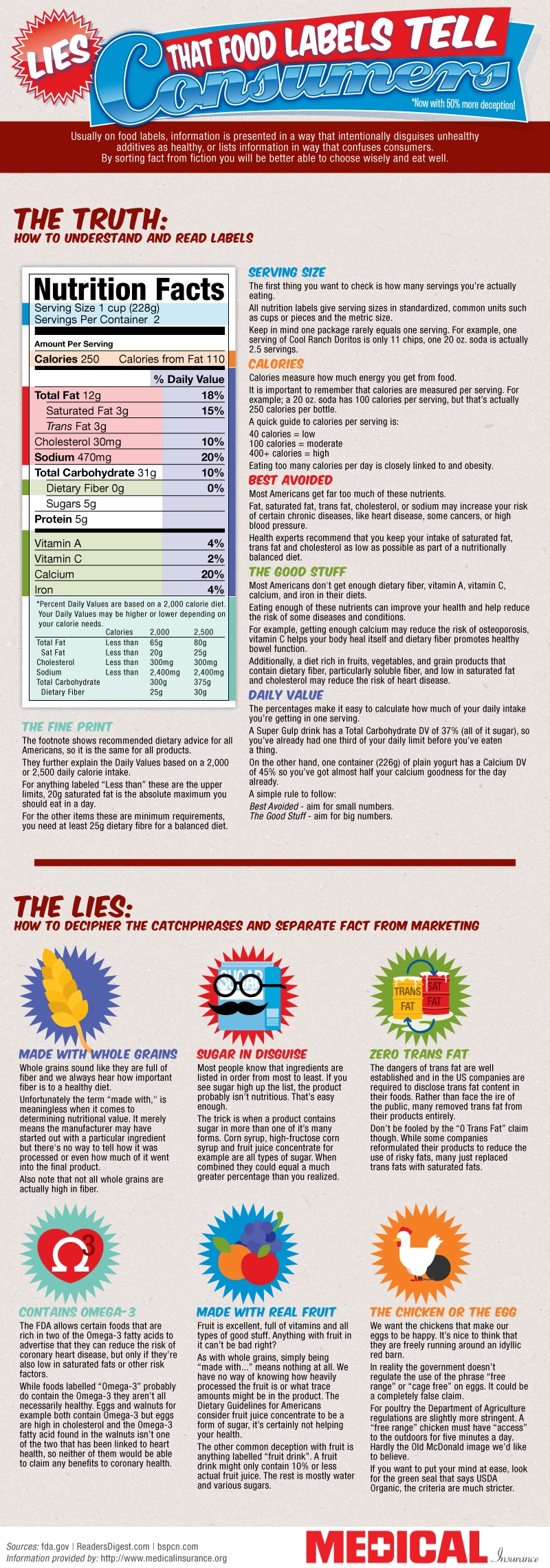
How To Read Food Labels Infographic – NaturalON - Natural Health News and Discoveries
How to understand food labels - Eat For Health How to understand food labels Nutrition Information Panel. Click on the image for a larger version. The Nutrition Information Panel on a food label... Health Star Rating (HSR) system. The Health Star Rating (HSR) system is a front-of-pack labelling scheme developed for... Ingredients List. All ...
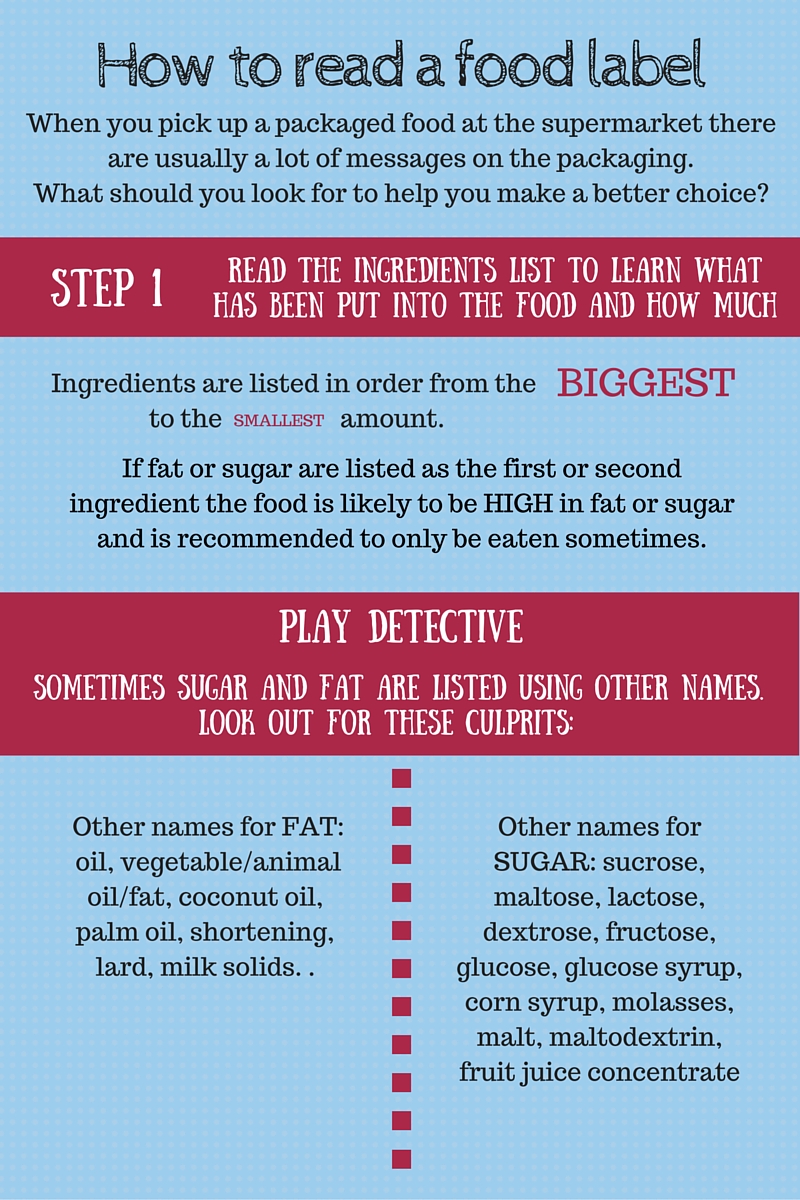
Your step-by-step guide to reading food labels - Healthy Kids
Labels 101: Reading and Understanding Food Labels ... Really read labels. Sell by dates and things like country of origin labels can tell you a lot about a packaged food. Most food is perishable without very strong preservatives. Consider packaging. If you have a choice between buying beans in a can (might be lined with the hormone disrupting chemical BPA) or in a glass jar (inert), go for the glass.
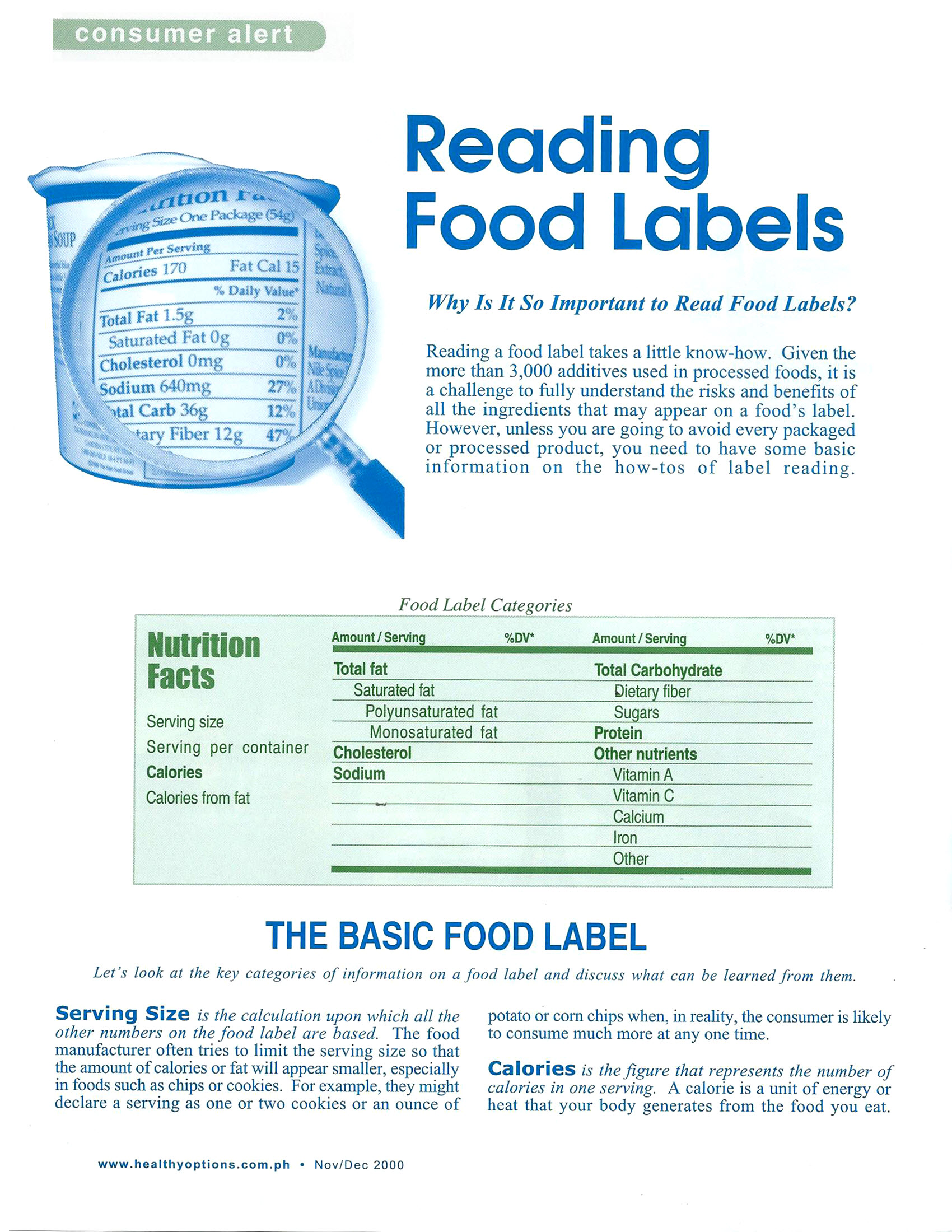
Reading Food Labels - News Digest | Healthy Options
How to read food labels - healthdirect In Australia, the law requires all manufactured foods to carry labels containing safety and nutrition information. This information helps you to make decisions about the food you buy and eat so you can follow a healthy diet. The label will tell you: the name of the product, describing accurately what it is the brand name
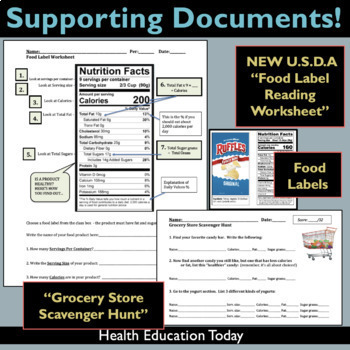
Food Label Reading Lesson FREE!: "Is This Product Healthy?" | TpT
The importance of reading and understanding food labels The Basics of the Food Label Labels are designed so that consumers are provided with useful information about the product and how this would fit into their daily diets. This is how one could read these labels 1. Look at the list of ingredients The list provides an overview of the product's "recipe" or constituents.

How to Read Food Labels + Nutrition Facts • Healthy.Happy.Smart.
PDF A Guide to Reading Food Labels - University of Rochester Understanding the Percent Daily Values (% DV) on a food label can help you choose foods high in good nutrients and low in bad nutrients. The % DV is based on a 2,000-calorie diet. If you eat less than 2,000 calories a day, your daily value may be lower than what is listed on the label. If you eat more than 2,000 calories a day, your daily value
How To Read Food Labels | AIS Insurance | Blog
PDF How to Read the Food Label Look for low- sodium foods with less than 140 mg per serving. Track the total amount you eat. Fiber. Aim for 25 to 38 grams of fiber per day. Sugars: Limit added sugars. Some vitamins and minerals may be listed with DV in one serving. Percent Daily Values (DV) tell you how much you should be eating based on a 2,000 or 2,500 calorie diet.

Easy Guide to Understanding Food Labels: For Sustainable Weight Loss - MyDoc

Not found. | Nutrition facts label, Nutrition labels, Nutrition facts
Natural Hair Product Ingredients to Avoid | hubpages
Post a Comment for "43 reading and understanding food labels"